
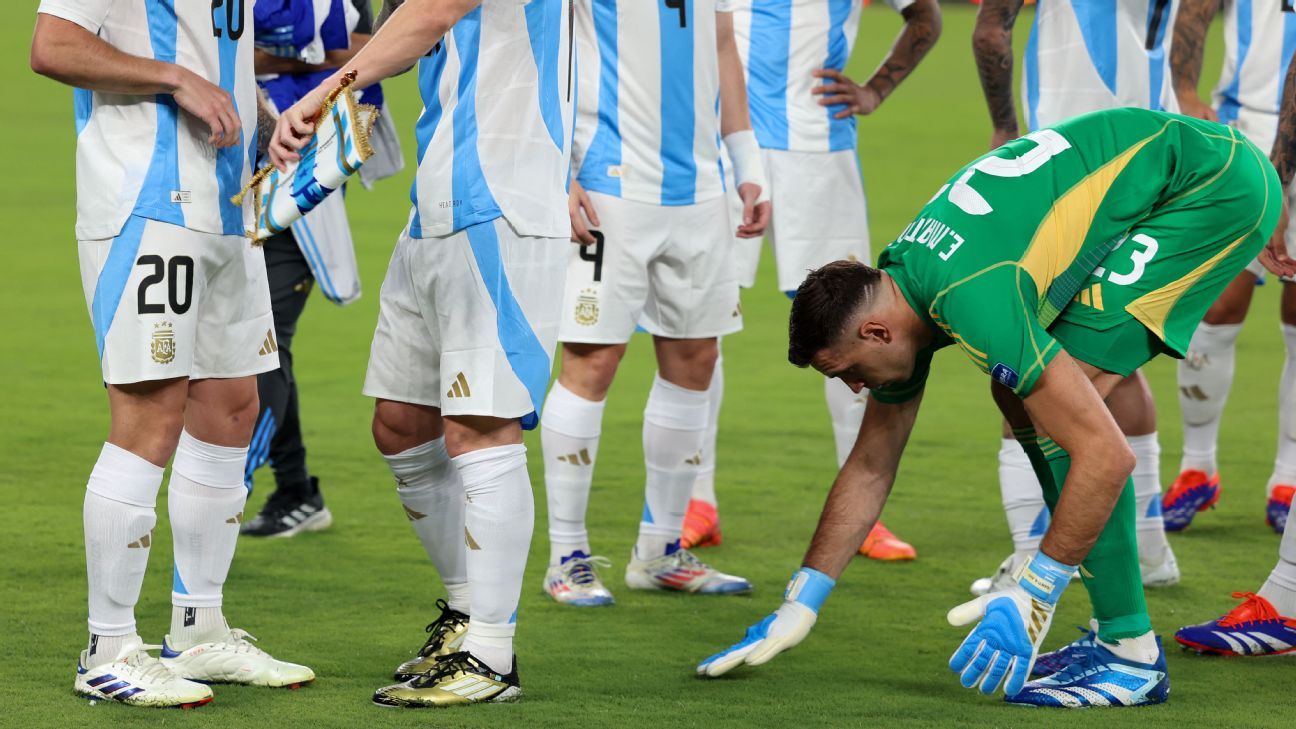
When World Cup Fame Changes a Player’s Life and On-Pitch Behavior
A breakout performance at the World Cup can instantly transform a player’s career and personal life, but the effects are not limited to headlines or transfers. For viewers, this sudden rise in attention often reshapes how a player behaves on the pitch, influencing decision-making, confidence, and tactical responsibility in ways that become visible during live matches.
Why sudden fame alters decision-making speed
Players who gain global recognition quickly face a shift in expectations, both from coaches and themselves. This often leads to a change in how quickly they make decisions, as they balance risk-taking with the desire to justify their new status.
During matches, this appears in hesitation before key actions or, conversely, in rushed attempts to create decisive moments. Viewers should watch whether the player maintains natural rhythm or forces involvement in situations that previously required patience.
How increased responsibility changes tactical roles
After a breakout tournament, teams often redesign attacking structures to feature the player more prominently. This can shift their positioning, giving them more touches but also exposing them to tighter marking.
This becomes evident when the player drops deeper to receive the ดูบอลย้อนหลัง โกลแดดดี้ or moves centrally more often. These adjustments can either enhance influence or disrupt the balance that made the initial success possible.
The balance between confidence and overextension
Confidence is a natural outcome of success, but it can lead to overextension if not managed within the team structure. Players may attempt more ambitious passes or shots, sometimes at the expense of efficiency.
Performance before and after breakout
| Aspect | Before breakout | After breakout |
| Decision-making | Efficient and role-focused | Expansive but inconsistent |
| Shot selection | High-quality chances | Increased volume, varied quality |
| Involvement | Selective | Constant and demanding |
Before interpreting this table, it is important to understand that increased involvement does not always equate to improved performance. A player who previously operated within a clear role may lose efficiency when asked to do more, especially against stronger defensive setups.
For viewers, this distinction is crucial. Watching where shots are taken and how often possession is lost provides a clearer picture than simply counting goals or assists. It reveals whether the player is adapting effectively or struggling with expanded responsibility.
What live viewing reveals about adaptation
The transition after a World Cup breakout is best understood through continuous observation. Highlights often emphasize success, but full matches show how consistently a player performs under new expectations.
By watching games through ดูบอลสด, you can track how the player responds to defensive pressure, how often they adjust positioning, and whether their decision-making stabilizes over time. These details help explain whether early success is being sustained or gradually diluted.
Key signs of a player adjusting to new status
Adaptation to fame and increased responsibility is rarely immediate. It unfolds through patterns that become visible across multiple matches.
Observe whether the player maintains composure when closely marked. Track their involvement in build-up play versus final actions. Notice how teammates interact with them—do they rely on them more or distribute responsibility evenly? Also, evaluate consistency across different match contexts.
- Composure under increased defensive pressure.
- Balance between build-up involvement and final actions.
- Teammate reliance in attacking phases.
- Consistency across different opponents.
- Efficiency of decision-making over time.
These indicators help viewers move beyond narrative-driven expectations. Instead of assuming continued success, you can assess whether the player is evolving within their role or being constrained by new demands.
When attention from opponents limits effectiveness
Breakout players often become primary targets for opposing defenses. This increased attention reduces space and time, making it harder to replicate previous performances.
This is visible when multiple defenders converge quickly or passing lanes are cut off earlier. Viewers should note whether the player adapts by releasing the ball faster or continues to attempt individual actions under pressure.
The ripple effect on team dynamics
A player’s rise can influence how teammates behave, sometimes leading to over-reliance. Teams may funnel possession toward the breakout star, reducing unpredictability.
This pattern becomes clear when attacking sequences repeatedly pass through the same player, even when alternative options are available. Such predictability can make the team easier to defend against.
Where breakout momentum can fade
Sustaining World Cup-level performance is challenging due to increased expectations, tactical adjustments from opponents, and changes in team structure. Not all players maintain the same level of impact.
For viewers, recognizing early signs of decline—such as reduced efficiency or limited space—helps separate temporary form from longer-term trends.
Summary
World Cup fame reshapes a player’s role, decision-making, and influence on the pitch. By focusing on efficiency, positioning, and adaptation during live matches, viewers can better understand how these changes affect performance. This perspective reveals whether a breakout moment becomes a lasting evolution or a peak that is difficult to sustain.