
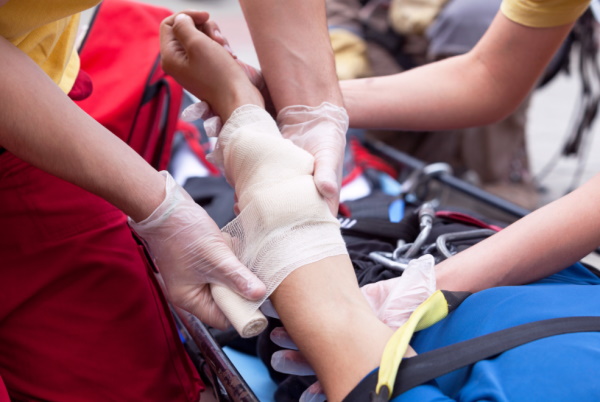
Stronger Community Response Starts With First Aid Training In Sunshine Coast
Communities become safer and more prepared when more people understand how to respond during emergencies. Medical incidents, workplace accidents, sports injuries, and unexpected health situations can happen at any time, often before professional medical help arrives. In these moments, the actions taken by nearby individuals can significantly influence outcomes. This is one reason why first aid education continues to grow in importance across many regions, including the Sunshine Coast.
Emergency Awareness Improves Public Safety
One of the major benefits of first aid education is increased public awareness. People who complete training programs often become more conscious of safety risks in homes, schools, workplaces, and recreational areas. This awareness encourages preventative behaviour and helps reduce avoidable accidents.
Communities with higher participation in first aid programs may experience quicker responses during emergencies because more residents understand the importance of acting immediately. Even basic actions such as checking breathing, controlling bleeding, or placing someone in a recovery position can provide valuable support before medical professionals arrive.
Public safety becomes a shared responsibility when more individuals possess lifesaving knowledge. This collective preparedness strengthens confidence within neighbourhoods, workplaces, and community groups.
Faster Responses During Critical Situations
Medical emergencies often require immediate attention. Delays in response can increase the severity of injuries or health complications. First aid training sunshine coast helps people recognise urgent warning signs and take appropriate action without panic.
Training courses commonly teach participants how to manage situations such as burns, allergic reactions, choking incidents, fractures, and cardiac emergencies. These practical skills can make a meaningful difference in both urban and outdoor settings around the Sunshine Coast.
Programs such as fap first aid CPR continue to support emergency preparedness by helping participants develop confidence in handling real-world situations where quick decisions matter most.
Supporting Schools, Families, And Workplaces
The value of first aid knowledge extends beyond emergency situations. Families often feel more secure when parents or caregivers understand basic medical response techniques. Children also benefit when adults around them know how to respond calmly during accidents or sudden illnesses.
Schools and childcare environments particularly benefit from trained staff members who can manage incidents involving students. Workplace safety also improves when employees understand emergency procedures and injury management practices.
Many industries now recognise first aid certification as an important professional skill. Construction sites, hospitality businesses, sporting organisations, fitness centres, and educational facilities often encourage or require employees to complete accredited training programs.
The broader impact is a community where people are more capable of helping one another during unexpected situations.
Confidence Encourages Community Participation
One overlooked benefit of first aid training is the confidence it creates. People who understand emergency response procedures are often more willing to participate in community activities, sporting events, volunteer organisations, and outdoor recreation.
The Sunshine Coast is known for its active lifestyle, beaches, parks, and outdoor attractions. Activities such as hiking, swimming, cycling, and water sports naturally involve some level of risk. First aid education helps residents and visitors feel more prepared when participating in these activities.
Confidence also encourages individuals to assist others instead of hesitating during emergencies. A community with more confident responders creates a stronger support network during accidents and medical events.
Modern Training Makes Learning More Accessible
Advancements in training methods have made first aid education more accessible for people from different backgrounds and experience levels. Flexible scheduling, practical workshops, and hands-on learning environments help participants develop useful skills efficiently.
Some learners choose accelerated programs such as Express CPR to quickly build confidence in responding to cardiac emergencies while still receiving practical instruction and guidance.
Modern training often combines theoretical understanding with realistic emergency simulations. This practical approach improves knowledge retention and helps participants feel more comfortable applying their skills outside the classroom.
Greater accessibility means more residents can participate in training and contribute to safer local environments.
Building A More Resilient Sunshine Coast Community
Community resilience depends on preparation, cooperation, and shared responsibility. First aid training supports all three by equipping individuals with the knowledge needed to assist others during difficult situations.
When more people understand emergency response techniques, communities become better prepared for accidents, health emergencies, and unexpected incidents. Trained individuals can provide immediate assistance, support emergency services, and help reduce panic during stressful events.
The continued growth of first aid education across the Sunshine Coast reflects a wider understanding that emergency preparedness is not limited to healthcare professionals alone. Every day, residents can also play an important role in protecting the well-being of those around them.
Stronger community response begins when individuals choose to learn practical lifesaving skills. Through first aid training, communities become safer, more confident, and better-connected during moments when support matters most.