
What Makes a CPR Course Effective and Reliable
CPR training is no longer limited to healthcare professionals. Parents, teachers, office employees, fitness trainers, and even students are now recognising the importance of learning emergency response skills. Yet, while many programs offer CPR certification, only a few provide truly effective and reliable training experiences. A high-quality CPR course should prepare people for real emergencies with confidence, accuracy, and practical understanding rather than simply helping them complete a short class.
Learning That Focuses on Real Situations
One factor that separates an effective CPR course from an average one is its focus on real-world application. Reliable programs do not rely entirely on memorisation. Instead, they train participants to think clearly during stressful moments.
For example, learners should understand how to respond differently in situations involving children, elderly individuals, or workplace accidents. Courses that include scenario-based learning often help students become more adaptable during emergencies. This practical approach improves reaction time and decision-making when every second matters.
Comfortable and Interactive Training Environments
The learning environment also affects how much students absorb during CPR training. Some people feel nervous practising emergency techniques for the first time. Effective instructors create supportive classrooms where participants feel comfortable asking questions and repeating exercises until they gain confidence.
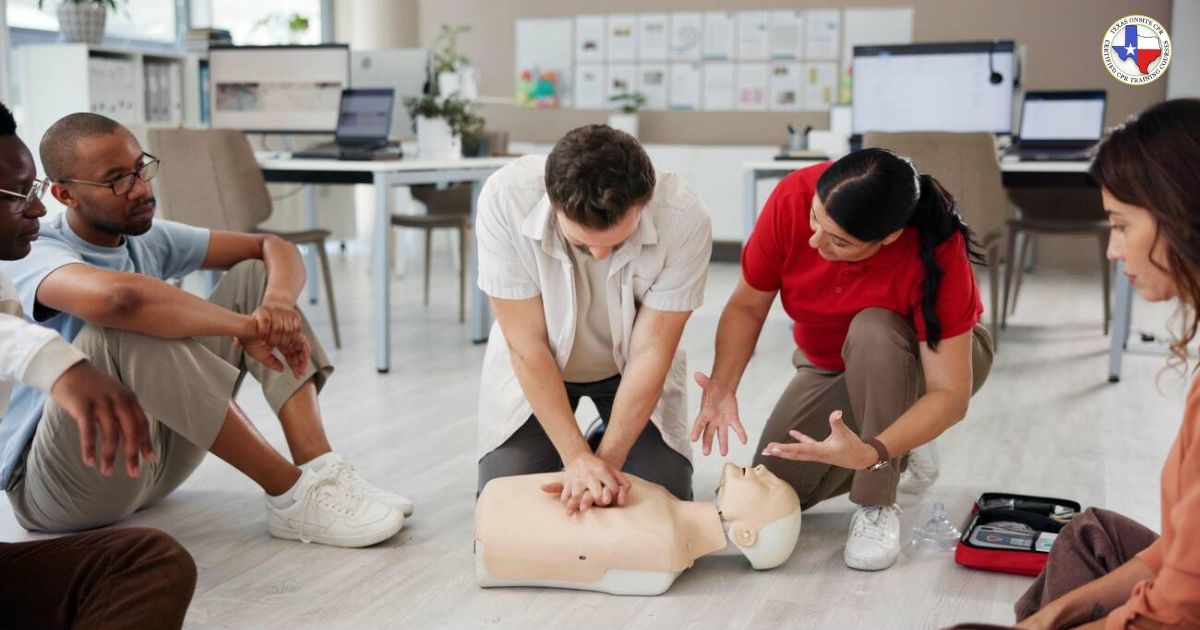
Interactive sessions keep learners engaged and improve information retention. Instead of long lectures, quality CPR programs combine demonstrations, group discussions, roleplay exercises, and physical practice. These methods make learning more memorable and easier to apply later.
Training organisations connected with broader educational pathways, such as Certificate 4 in Training and Assessment, often emphasise modern teaching methods because they understand how adult learners absorb information differently from traditional classroom students.
Strong Focus on Communication Skills
A reliable CPR course teaches more than chest compressions. Communication skills are equally important during emergencies. Learners should know how to stay calm, guide bystanders, contact emergency services, and explain the situation clearly to medical responders.
Courses that teach communication strategies prepare participants to manage panic more effectively. This aspect is often overlooked in basic training programs, even though calm communication can improve teamwork and emergency coordination significantly.
Participants who develop both technical and communication skills usually feel more prepared to act confidently in unpredictable situations.
Flexible Learning Options for Modern Lifestyles
Modern learners often balance work, family responsibilities, and busy schedules. Effective CPR training providers understand this challenge and offer flexible learning options. Some courses include blended learning, allowing students to complete theoretical lessons online before attending practical sessions in person.
Programs like Express CPR have gained popularity because many people appreciate fast, accessible, and practical learning formats that still maintain training quality. Flexibility makes CPR education more accessible to a wider range of individuals without reducing the importance of hands-on practice.
Reliable providers ensure that convenience never compromises skill development or emergency preparedness.
Repetition and Skill Reinforcement
One unique characteristic of high-quality CPR training is repeated skill reinforcement. Learning CPR once is not enough for long-term confidence. Effective courses encourage repetition throughout the session so participants can build muscle memory.
Practising compressions multiple times helps learners maintain the correct rhythm and pressure. Repetition also reduces hesitation during real emergencies because actions become more automatic.
Some advanced providers even include follow-up practice opportunities or refresher recommendations to help participants maintain their confidence after certification.
Trainers With Real Emergency Experience
The background of instructors can greatly influence the value of a CPR course. Trainers who have worked in healthcare, emergency response, or workplace safety often provide practical insights that improve understanding.
Instead of only teaching textbook procedures, experienced instructors share lessons from real emergencies. These stories help learners understand the importance of staying calm, acting quickly, and following proper procedures.
Many students searching for trusted providers such as Tae Darwin often prioritise experienced trainers because practical expertise increases the credibility of the learning experience.
Confidence Beyond Certification
An effective CPR course should leave participants feeling capable rather than simply certified. The best programs focus on building long-term confidence, encouraging people to step forward during emergencies instead of waiting for someone else to act.
Reliable CPR education empowers communities by creating individuals who are prepared to respond responsibly in homes, schools, offices, and public places. In many emergencies, immediate action before professional help arrives can make a life-changing difference.
As CPR training becomes increasingly important across different industries and communities, choosing a course that values realistic practice, skilled instruction, communication, flexibility, and confidence-building is essential for meaningful learning outcomes.