
How P2P Trading Platform Is Reinventing Finance in Real Time
The financial world is no stranger to innovation. From the invention of coins in ancient Lydia to the rise of modern banks and digital payment systems, money has constantly evolved to reflect the needs of society. Yet, the emergence of the P2P trading platform marks one of the most profound shifts in centuries. It represents not just a new tool but a new philosophy: finance built on direct interaction, decentralisation, and shared responsibility. Unlike many innovations that require decades to mature, peer-to-peer platforms are reinventing finance as we speak — adapting in real time to user needs, regulatory pressures, and global trends.
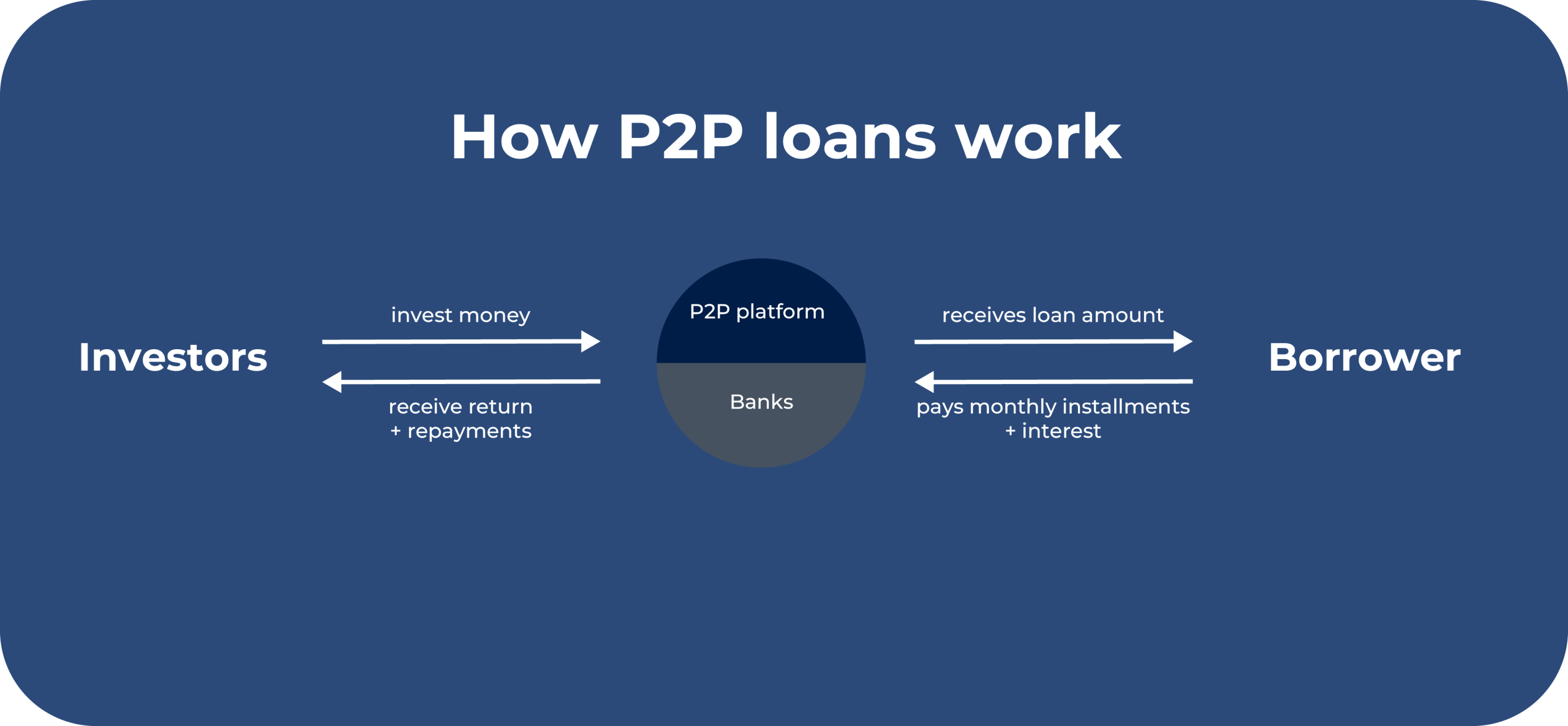
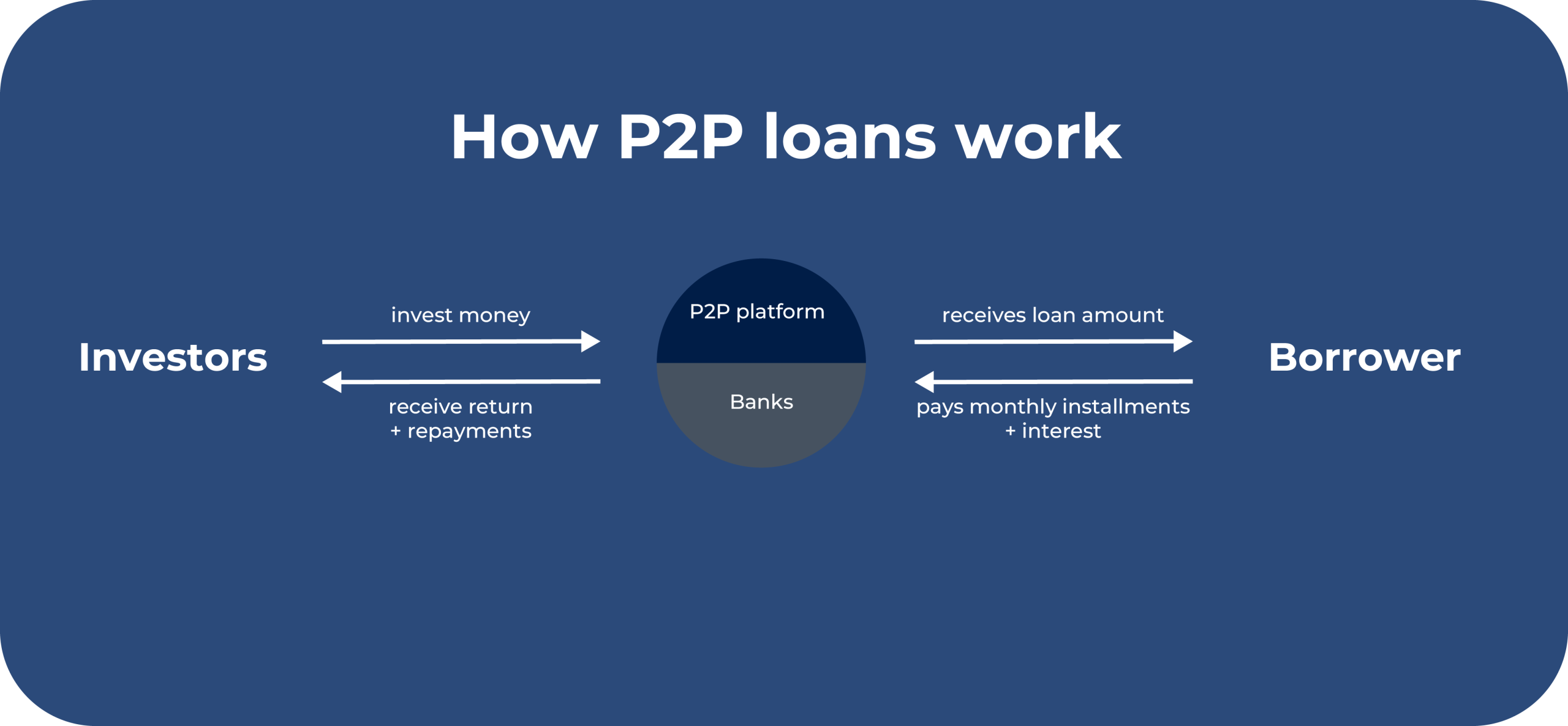
The Core Innovation: Direct Exchange Without Middlemen At the heart of peer-to-peer systems is the radical idea that people can trade without banks, brokers, or centralised exchanges. A P2P trading platform makes this possible through escrow services, reputation ratings, and blockchain verification. By reducing the reliance on institutions, it lowers costs, speeds up transactions, and empowers individuals. This is not merely a financial adjustment; it is a cultural one. People accustomed to deferring to banks now negotiate directly, reclaiming agency over their own money.
Adapting to Local Realities One of the most striking aspects of peer-to-peer platforms is their adaptability. Traditional finance often struggles with diversity: banks and exchanges prefer standardised systems, leaving out those who do not fit the model. A P2P trading platform, by contrast, integrates local payment methods — mobile money in Africa, UPI in India, cash-based exchanges in Latin America. This flexibility allows peer-to-peer trading to thrive even in places where traditional institutions fail. Every day, platforms adjust to the realities of their users, reinventing finance not as a uniform system but as a mosaic of local practices connected globally.
Real-Time Responses to Risk Scams, phishing, and fraud are often cited as the weaknesses of peer-to-peer systems. But these challenges have also driven some of the most dynamic innovations. Platforms now use artificial intelligence to detect unusual patterns, flagging suspicious traders before damage occurs. Escrow has evolved from a simple holding mechanism into a sophisticated system with dispute resolution and multi-layered protection. A P2P trading platform does not wait years for regulators or institutions to step in — it adapts instantly, proving that decentralisation can be both agile and secure.
The Evolution of User Experience In the early days, peer-to-peer trading was clunky and intimidating. Interfaces were complicated, and only the tech-savvy could navigate them. Today, platforms are mobile-first, intuitive, and built for everyday use. A P2P trading platform now resembles an e-commerce site more than a trading desk. Profiles, ratings, and chat functions make transactions feel familiar, like online shopping. This reinvention of user experience is what allows peer-to-peer systems to spread from crypto enthusiasts to migrant workers, freelancers, and ordinary savers.
Integration with Broader Finance Peer-to-peer platforms are no longer isolated ecosystems. Increasingly, they integrate with decentralised finance protocols, stablecoins, and even centralised exchanges. A user can trade on a P2P trading platform, then move funds into lending pools, staking services, or e-commerce platforms — all in a single flow. This integration blurs the boundaries between traditional finance, DeFi, and peer-to-peer systems, reinventing finance as a fluid, interconnected network rather than a set of siloed institutions.
The Cultural Shift Toward Shared Responsibility Perhaps the most transformative reinvention is cultural. On a P2P trading platform, users are not passive clients but active participants. They build reputations, negotiate terms, and protect their own keys. This culture of responsibility changes how people perceive money itself. Instead of trusting an institution to manage their funds, individuals learn to manage risk directly. It is a demanding shift, but it creates a more resilient financial culture — one where trust is earned and shared rather than imposed from above.
Global Implications of Real-Time Reinvention The adaptability of peer-to-peer systems makes them uniquely suited to global challenges. In regions suffering from inflation, a P2P trading platform allows savers to hold stable digital assets. During political instability, it enables citizens to preserve value and transact outside failing institutions. In migrant communities, it reduces remittance costs and increases disposable income. These real-time responses show how peer-to-peer trading is not a theoretical improvement but a practical lifeline, reinventing finance precisely where it is most needed.
The Road Ahead: Constant Innovation The pace of reinvention will only accelerate. Smart contracts may automate complex peer-to-peer deals, eliminating the need for disputes. Decentralised identity systems could give users full control of their credentials, strengthening trust without compromising privacy. Global liquidity networks may connect platforms across continents, making peer-to-peer trading as seamless as sending a text message. Each innovation reinforces the core idea: finance can evolve in real time, driven not by institutions but by the people who use it.
The P2P trading platform is more than a tool; it is a living system, constantly adapting and reshaping itself. It reinvents finance not in slow, generational shifts but in immediate responses to user needs and global pressures. By combining technology, culture, and community, it is proving that the future of finance does not belong solely to centralised giants. It belongs to dynamic, decentralised networks where people connect directly, innovate continuously, and shape their own financial destinies.