
The Power of Position and Timing in Poker Strategy
In poker, knowledge is power — but so are position and timing. These two elements can turn an average hand into a winning opportunity and transform a good player into a great one. Understanding where you winamax sit at the table and when to act is a cornerstone of advanced poker strategy. If you want to elevate your game, mastering position and timing should be at the top of your priority list.
Understanding Position in Poker
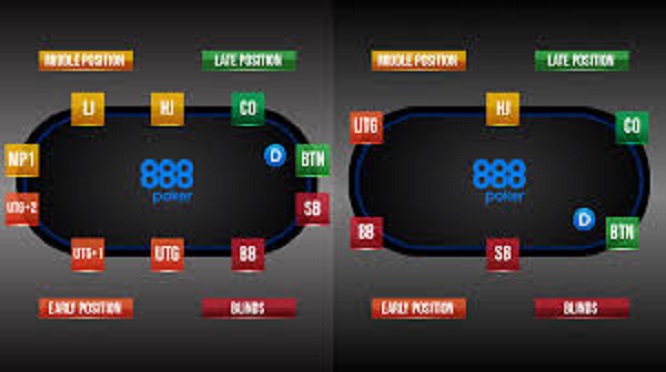
Your position at the table refers to when you act during each betting round. The later your turn, the more information you have about your opponents’ actions — and that knowledge is incredibly valuable.
There are three main positions to understand:
- Early Position (EP): You act first after the blinds. This is the toughest spot because you have limited information about how others will play. Stick to strong, premium hands here.
- Middle Position (MP): You have a bit more flexibility. You’ve seen how early players act, which helps you make better decisions.
- Late Position (LP): This is the most powerful position in poker. Acting last gives you full visibility of the table’s dynamics. You can steal blinds, control pot size, and make more calculated bluffs.
Being in position allows you to react strategically instead of guessing. Simply put — the later you act, the more control you have over the hand.
Why Position Equals Power
In poker, information is everything. Acting after your opponents lets you:
- See who is betting, checking, or folding before making your move.
- Control the pace and flow of the hand.
- Use positional advantage to bluff effectively.
- Protect your stack by avoiding unnecessary risks in early position.
For example, a mediocre hand like Ace-Ten offsuit becomes much stronger in late position than in early position. Why? Because you can gauge your opponents’ strength before deciding whether to play aggressively or fold.
Mastering the Art of Timing
While position determines where you act, timing determines when and how you act. Great poker players don’t just know what to do — they know when to do it.
Timing is crucial in several ways:
- Bluffing: Well-timed bluffs can win pots even with weak hands, but poor timing can expose you and drain your stack.
- Value Betting: Knowing the right moment to extract maximum value from a strong hand can significantly increase your winnings.
- Folding: The ability to fold at the right time — even when holding a decent hand — is a skill that separates amateurs from professionals.
Your timing often depends on reading the table dynamics, understanding betting patterns, and identifying which opponents are likely to fold or call.
Combining Position and Timing
The real magic happens when Spartan Poker position and timing work together. A late-position player with great timing can dominate a table, dictating the pace of the game and capitalizing on weaker opponents.
For example:
- Bluffing from late position after everyone checks shows confidence and often forces folds.
- Value betting at the right moment when you sense your opponent’s weakness helps you extract more chips.
- Slow playing in position can trap aggressive players who act before you.
This combination allows you to control not just your own play but also influence how others react.
Reading Table Dynamics
To use position and timing effectively, pay close attention to the flow of the table. Notice who’s playing tight or loose, who folds easily, and who calls often. Adjust your strategy based on these patterns.
If opponents are cautious, use your late position to apply pressure with frequent raises. If the table is aggressive, tighten up and let your opponents make mistakes. Adapting your position-based tactics to table behavior is what keeps you one step ahead.
Avoiding Common Mistakes
Many players misuse position and timing by:
- Overplaying weak hands just because they’re in late position.
- Bluffing too often without considering opponent tendencies.
- Acting too quickly and revealing emotional decisions.
Patience is essential. Even in a good position, you should act only when the situation supports it. Great timing comes from observation, not impulse.
Final Thoughts
The power of position and timing in poker strategy cannot be overstated. Acting from a strong position gives you more information, control, and confidence. Perfecting your timing allows you to execute strategies — bluffs, bets, and folds — with precision.
Together, these elements form the backbone of a winning poker style. The next time you sit at the table, remember: it’s not just the cards that matter, but when and from where you play them. Master position and timing, and you’ll have the upper hand in every game you play.