
How First Aid Training Prepares You For Emergencies?
Emergencies often happen without warning, turning ordinary moments into stressful situations. A sudden fall, a severe allergic reaction, or an unexpected medical issue can leave people feeling helpless if they do not know what to do. First aid training is quite helpful in this situation. Learning how to respond quickly and correctly helps reduce panic and improve outcomes for those in need. Being prepared through proper training means you can step forward with confidence rather than freeze in fear. Choosing a first aid course Adelaide helps you build trust and respond effectively when unexpected emergencies arise in daily life.
Understanding What To Do First
This is where having first aid training comes in very handy. During emergencies, acting in the wrong order can make things worse. Training teaches you how to check for danger, evaluate the injured person, and decide on the next steps. This structured approach ensures that you stay safe while providing effective help. Whether it is controlling bleeding or supporting someone who feels faint, knowing what to do first makes a major difference.
Gaining Practical, Hands-On Experience
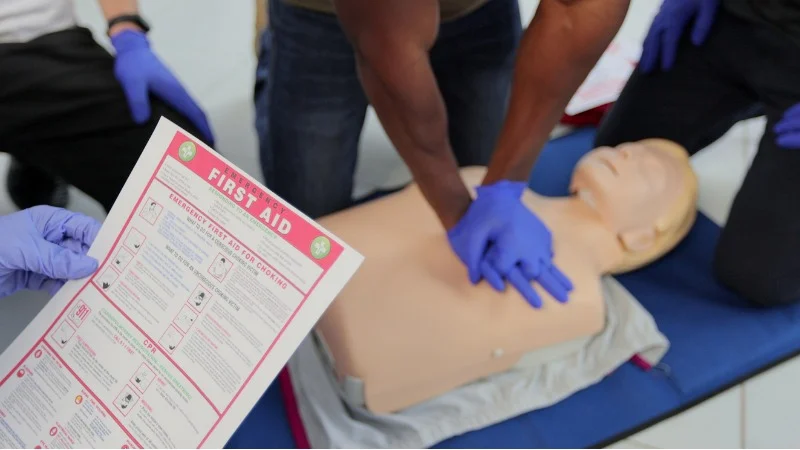
First aid education is not just about theory. Most programs include hands-on practice so you can apply what you learn. When you attend a first aid course, you practice real-life scenarios that prepare you for actual emergencies. This experience builds muscle memory and confidence, helping you react quickly if something happens in the future. It is simpler to recall these abilities under pressure when they are practised in a controlled setting.
Staying Calm Under Pressure
Emergencies often cause panic, which can lead to poor decisions. First aid training helps you remain calm and focused when others are distressed. You learn how to breathe steadily, think clearly, and take control of the situation. This calm mindset allows you to provide better care and reassurance to the injured person until professional help arrives.
Recognising Warning Signs
Training teaches you how to identify early signs of serious conditions. Symptoms such as chest pain, breathing difficulty, or sudden dizziness may indicate a medical emergency. With proper education, you learn to recognise these warning signals and respond promptly. Quick action can prevent a situation from becoming life-threatening and ensure the person receives timely medical attention.
Being Ready In Everyday Settings
Emergencies do not only happen in hospitals or workplaces. They can occur at home, in public spaces, or during social events. Completing first aid courses Adelaide prepares you to respond wherever you are. Whether a child chokes at a family gathering or someone collapses in a shopping centre, you are ready to help. This preparedness protects not only strangers but also the people closest to you.
Building Community Safety
When more people complete first aid courses, communities become safer. Trained individuals act as first responders until medical professionals arrive. This collective readiness reduces the severity of injuries and can even save lives. A community where people look out for each other creates a sense of security and trust.
Learning How To Prevent Accidents?
First aid education also focuses on prevention. You have the ability to recognise possible risks and take action to lower them. This could include creating safer home environments, using protective equipment, or understanding how to avoid common injuries. Prevention is just as important as response, as it reduces the chances of emergencies happening in the first place.
Improving Workplace Preparedness
Many employers value staff members who have first aid knowledge. Trained employees can respond quickly to accidents at work, minimising harm and supporting colleagues. This improves overall workplace safety and shows a commitment to employee well-being. Businesses with trained staff often experience fewer serious incidents and better morale.
Gaining Lifelong Skills
First aid training is a skill that stays with you for life. The knowledge you gain can be used at any age and in different situations. Regular refreshers help keep your skills current, but the foundation remains strong. From minor cuts to serious medical emergencies, your training continues to be useful.