
Analyzing La Liga Teams with Late-Game Defensive Vulnerability
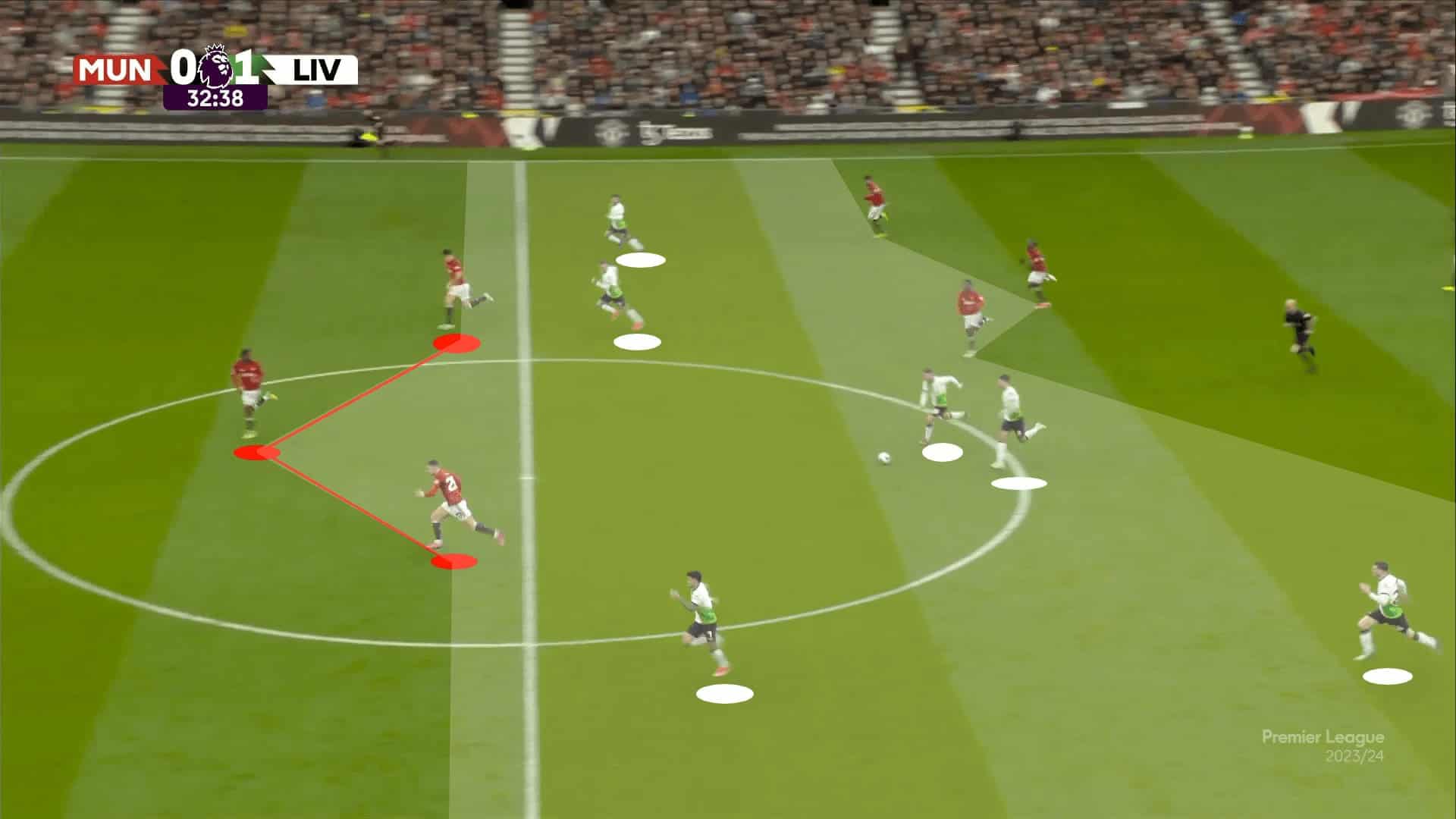
Late goals in La Liga often feel predictable when viewed through structure rather than emotion. Certain teams repeatedly lose defensive stability in the final phases of matches, regardless of opponent strength or scoreline context. This pattern is not accidental. It emerges from physical limits, tactical rigidity, squad usage, and psychological decision-making under pressure. Understanding why defenses loosen late allows observers to anticipate risk instead of reacting to it.
Why Late-Game Defensive Weakness Is a Repeatable Pattern
Defensive collapse near the end of matches is rarely caused by a single mistake. In La Liga, it usually reflects accumulated stress that reaches a threshold after the 70th minute. Teams that rely heavily on coordinated pressing or narrow defensive spacing expend more energy earlier. When that intensity drops, the structure remains visually intact but functionally weaker. Opponents gain more time between lines, leading to higher-quality late chances. This makes late-game vulnerability a repeatable outcome tied to game model design rather than luck.
Physical Fatigue and Its Impact on Defensive Timing
Fatigue does not affect all defensive actions equally. Sprint recovery, lateral shifting, and reaction timing degrade at different rates. In La Liga, teams with high possession but limited squad rotation often show delayed defensive steps late in matches. Full-backs arrive a fraction late, midfield screens stop closing passing lanes, and center-backs retreat deeper to compensate. These micro-delays increase shot probability without dramatic visual errors, making late concessions feel sudden even though the warning signs appeared earlier.
Substitution Strategy and Defensive Continuity
Coaching decisions after the 60th minute often determine whether a defense holds or unravels. Some teams replace attackers while leaving fatigued defenders exposed. Others introduce fresh legs without maintaining communication roles. Defensive continuity depends on replacing functions, not positions. When leadership, spacing control, or duel timing is removed, the back line loses synchronization. In La Liga, teams with weak late-game defense often show a clear drop in coordination within ten minutes of their first substitution.
Structural Signals That Appear Before Late Goals
Before listing specific signals, it is important to understand that late goals are preceded by structural erosion rather than chaos. The match still appears controlled, but defensive margins shrink. Observers who track these subtle changes can anticipate concessions earlier than the scoreboard suggests.
Key late-game warning signals include:
- Defensive line retreating five to eight meters deeper without pressure increase
- Midfielders stopping forward interceptions and choosing backward recovery
- Clearances replacing controlled exits from the defensive third
- Opponents gaining repeated set-piece opportunities
These signals indicate that defensive actions are becoming reactive instead of proactive. Interpreting them together matters more than isolating one. When multiple signs appear simultaneously, the probability of a late concession increases even if possession statistics remain balanced.
Late-Game Match Reading in Live Conditions
When matches enter the final quarter, real-time interpretation becomes critical. If a team shows declining duel success and slower defensive transitions, the risk profile changes immediately. In those moments, observing live market behavior through a betting interface can highlight misalignments between perception and structure. When checking late-game price movement during live play, situations often arise where defensive fragility is visible before it is reflected on the scoreboard. Under these conditions, platforms such as ไลน์ ufabet are used by some observers to cross-check in-play odds against what is unfolding structurally on the pitch. The value comes from recognizing defensive decay early, not from reacting to goals already conceded.
How Game Context Amplifies or Reduces Defensive Risk
Context determines whether defensive weakness turns into goals. Teams protecting a narrow lead often invite pressure unintentionally by lowering their block. Conversely, teams chasing a goal may still defend effectively if their spacing remains compact. Scoreline, opponent profile, and remaining substitutions all interact. In La Liga, late-game concessions are more common when a team faces opponents with strong aerial presence or multiple late runners, because fatigue directly affects marking discipline in those scenarios.
Comparing Teams That Concede Late Versus Those That Hold On
Before examining a comparison, it helps to frame why some teams resist late pressure better than others. The difference usually lies in decision simplification. Teams that hold leads reduce defensive complexity late, while vulnerable teams attempt to maintain early-match systems under fatigue.
| Defensive Trait | Teams Holding Late Leads | Teams Conceding Late |
| Line height | Adjusted gradually | Drops suddenly |
| Substitution focus | Defensive roles | Attacking roles |
| Clearance choice | Directed, wide | Central, rushed |
| Communication | Stable | Fragmented |
The comparison shows that late-game defense is about controlled adaptation. Teams that fail late often do not simplify their defensive tasks, increasing error probability as fatigue accumulates.
Summary
La Liga teams that concede late goals do so because of structural and physical limits, not coincidence. Fatigue alters timing, substitutions disrupt continuity, and defensive lines lose proactive behavior. Warning signs appear well before goals through deeper blocks, reactive clearances, and reduced midfield screening. Context can amplify or soften these weaknesses, but the underlying patterns remain consistent. Reading late-game defensive vulnerability requires attention to structure, not emotion, especially in the final minutes when matches are decided.