
How Boxing Gloves Have Evolved Over Time
It’s hard to believe, but boxing gloves haven’t always been soft, plush, or protective. They have been steeped in blood, forged in rebellion, and soaked in tradition. The change is incredible from ancient warriors to Olympic champions, from leather strips to high-tech foam. Every era left a mark, and every generation wanted something different. How did we move from bare fists to shock-absorbing gloves outfitted with ventilation mesh and layered padded materials? Let’s take the journey together: fight and glove by glove.
From Bare Knuckles to Padded Fists
English prizefighters engaged in hand-to-hand combat during the 1700s without wraps or gloves. Nothing but bare fists hitting bones. This changed in 1867 with the introduction of the Marquis of Queensberry Rules. Boxing transformed from a street brawl into a sport. Horsehair-packed leather gloves were introduced, not for the faces, but for the hands. You read that right. Fights lasted up to seventy-five rounds (yes, seventy-five). Survival was the name of the game. The violence of the sport set the pace needed to keep up in the hands of the “protective” gloves.
By the way, where there is boxing, there is excitement, choice, and anticipation of a blow. That is why online betting sites have become a natural extension of the spectacle. They allow fans not just to watch, but to participate – to place bets, choose their champions, and feel the tension of each round. These are the gloves of a new era: a way to touch the fight, even if you are not in the ring!
The Birth of Modern Protection
By the 1900s, glove makers realized something pivotal: gloves could do much more than serve as protective gear. Fighters like Jack Dempsey started using sparring gloves, knowing that their padded makeup would mitigate injury. In 1929, the National Sporting Club set standardized weights for boxing gloves—6 ounces for flyweights, 8 for lightweights, and 10 for heavyweights. That was a major turning point in the sport.
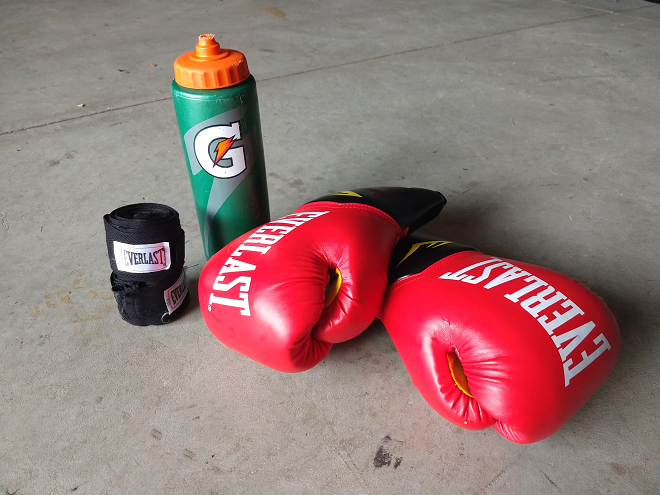
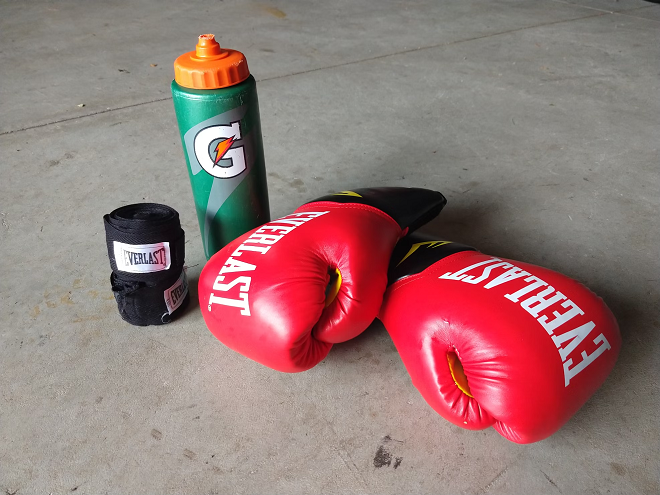
Other things also started to change. Gloves began to have additional padding around the wrists and other parts beyond the knuckles. More supportive laces also began to take the place of basic straps. The infamous Everlast company, founded in 1910, went further, and by the 1940s, it had made a name for itself as the brand did for champions. Now, for the first time, sport and power were finally balancing. The gloves ceased to be unwanted equipment and became valuable strategic tools.
Materials That Changed the Game
The heart of glove innovation has always rested on the materials used. Over the decades, four critical changes reshaped glove construction forever:
- Horsehair to Foam. Horsehair gloves dominated until the 1980s. They offered less padding consistency and degraded quickly. Foam padding — especially latex and PVC — revolutionised durability and shock absorption.
- Cowhide Leather. Premium-grade cowhide became the gold standard for professional gloves. It resisted stretching, handled sweat better, and moulded to a fighter’s fist over time.
- Velcro Closures. Velcro replaced laces in training gloves, allowing quicker wear and better wrist support. Introduced broadly in the ’70s, it changed gym culture worldwide.
- Breathable Mesh & Moisture-Wicking Liners. Modern gloves now include breathable mesh on the palm and antimicrobial lining to prevent bacterial growth.
Without these innovations, gloves would remain a crude relic of a more brutal, riskier past. But just as technology changes sports, it transforms how we perceive them. On MelBet Instagram, you will find not only the latest sports news but also rare insider information, memes, atmospheric shots from arenas, and, of course, exclusive promo codes for bets—all presented with the same precision and brightness that once changed the boxing glove.
Design Meets Performance
Modern boxing gloves are carefully crafted to balance comfort and protection, speed, and accuracy. Winning, Cleto Reyes, and Grant are some brands that focus on precision and use it to make sparring gloves. Cleto Reyes boxing gloves are favored for powerful strikers and offensive-positioned boxers because of their puncher’s profile. Conversely, winning gloves place a premium on protecting the hand, which makes them a staple in elite-level sparring sessions.
The thumb’s architecture is not off-limits either! Gloves of yore are known to stub the thumbs chronically. Modern gloves have incorporated the thumb design to stop dislocated thumbs. Depending on the angle and speed of the punch, the impact’s layered foam systems absorb. As for the shell, it is usually water-resistant to enable it to hold its shape during long, gruelling and sweaty workouts. To minimise the hand strain, the glove must fit firmly, hence custom-moulded interiors. Every curve and every stitch serves a purpose, and now involves pre-fight preparation.
How Safety Shaped the Sport
With every concussion and injury, questions grew louder: Can gloves truly protect? Over the decades, boxing adapted — not just for glory, but for survival. Safety became a strategy. Here’s how gloves helped:
- Mandatory Glove Sizes. Since the 1990s, weight divisions have been paired with specific glove sizes: 8 oz or 10 oz. Lighter gloves mean more speed, and heavier ones mean more padding.
- Padded Thumb Attachments. Introduced widely in the 1980s to prevent eye injuries from accidental thumb pokes, like the one that blinded Sugar Ray Leonard in 1982.
- Commission Standards. Bodies like the WBC, IBF, and state commissions now inspect gloves before fights. Any defects? Disqualification.
- Injury Data. Studies, like the 2016 AIBA report, show padded gloves reduce facial fractures by up to 40%. That’s not theory — it’s science.
Each change protected fighters, prolonged careers, preserved talent, and redefined the sport’s future.
When Style Joins Function
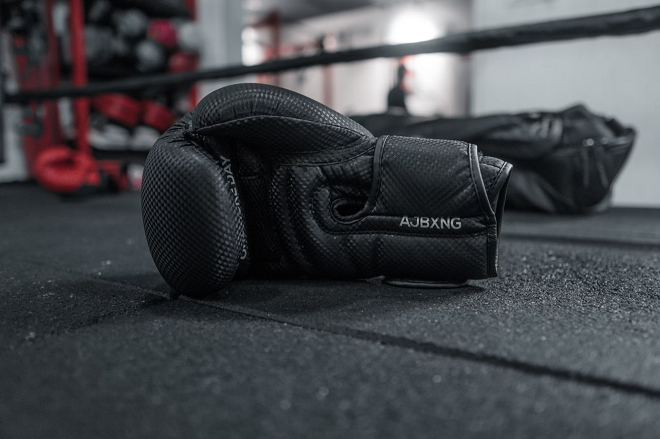
Walking into a boxing gym these days, you’ll notice the latest flashy trends like neon gloves and custom prints with initials stitched in gold. Gloves have surely become part of a fighter’s identity, and for Tyson Fury, it’s the Union Jack gloves, while Davis Gervonta sports flashy metallic sets. Even novice fighters wear colours that correspond to their moods.
Now, don’t get me wrong and mistake softness for style. Some custom gloves, like Grant or Fly Boxing, are custom-made to blend luxury designs with cutting-edge engineering. Others, stemming from Mexico or Japan, are handcrafted with considerations for wrist control, airflow, and even knuckle ergonomics. Fighters today train and compete in gloves designed to match their bodies. No two sets are identical. In this world, every round is critical. In our world, style is fuel, confidence, and presence. It is something, or rather someone, who looks good and hits incredibly hard.
It’s Still About the Hands That Wear Them
Behind every glove, there is a fighter with fire in their soul. “Foam” and “leather” mean nothing without the determination to stand up and rise. They have indeed changed over the years. Gloves today offer better protection, allow for clean strikes, and gleam with splendour. Yet the hands encased in them ache for the ringing peal. The hands that relentlessly pursue a legacy. It’s not merely apparel. It’s a mark of unyielding strength. So remember, the next time you spot a glove raised in triumph, consider what it truly represents: A defiant warrior.