
Colour Theory and Its Role in Prediction Games
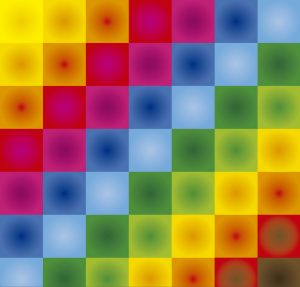
In the dynamic world of prediction games, where strategy, intuition, and quick thinking meet, there’s an often-overlooked element that holds surprising influence—colour theory. In this article, we’ll explore how colour theory functions in prediction gaming, how it enhances user engagement, and how leading platforms like Goa Games login, Daman Game login, and BDG Win login are benefiting from its thoughtful use.
Understanding Colour Theory
Colour theory is an idea that tries to explain the way colours can interact with one another, as well as how human eyes perceive colour. Colour theory contains an art component and a science component. Colour is based on three measures of colour: the colour wheel, colour harmonies, and the psychological response of colour.
The colour wheel is not a colour palette, but a method of showing primary colours, secondary colours, and tertiary colours, and how they mix.
- Colour harmony: is an aesthetically pleasing choice of colour Combination which can be a complementary colour (two colours directly opposite one another on the wheel), an analogous colour (two colours that are next to one another on the wheel), or a triadic colour (three colours evenly spaced across the wheel).
- Psychological response: all colours evoke emotions, red can either stimulate excitement or convey urgency, blue usually calms, green usually implies and evokes balance or growth, yellow typically has a psychological response that indicates optimism, etc..
The principles outlined above are useful in branding, designing and marketing. In the context of prediction games, these elements can help develop a product that is not only enjoyable, but can also help realise intuition and engage players on a deeper level.
Colour Psychology in Prediction Platforms
The relationship between colour and behaviour is thoroughly documented in psychology. Systems like Goa Games login (which exemplarily adheres to these principles in their user interface design) can easily manipulate users to stay on a platform better and more quickly. For example:
- Red and Yellow: These two options represent high-energy colours and are regularly employed in interface elements like buttons or countdowns to help improve user engagement so they can take action quickly.
- Green: Typically seen as developmental for success, green is frequently employed in representations such as scoreboards or success indicators.
- Blue and Purple: The cooler tone of these elements promotes calmer behaviours and undoubtedly represents trust level, whereas they often provide a background or are reused as the basis of the interface, which, in turn, keeps the user engaged and calm throughout the gameplay of a platform.
The intentional application of colour theory in the interface reduces cognitive load, resulting in quicker decisions, easier information retrieval, and longer extended periods of interaction.
Enhancing User Experience Through Visual Design
A good user experience is central to any successful digital platform. For prediction games, where players often interact in real-time or within short intervals, visual clarity and appeal are paramount. This is where platforms like Daman Game login shine.
Their use of consistent colour schemes helps users intuitively navigate the dashboard, identify active games, and distinguish between various gameplay elements without needing to pause and think. Well-balanced contrast, for instance, ensures readability in both daylight and night settings—an important feature for players engaging during different hours.
Additionally, by implementing warm colours during celebratory moments (like wins) and cooler tones during analysis phases, the interface becomes emotionally responsive, echoing the user’s state and creating a sense of empathy and engagement.
The Subtle Influence on Decision-Making
One of the more interesting things about colour theory is how it subconsciously drives decision-making. It’s not manipulation, it’s optimisation. BDG Win login is an example of this in action, as there are different colours to separate different prediction rounds or levels of study. This makes it easy to see the structure of the prediction rounds at a glance, while also effortlessly leading the user towards a personal decision based on their skill or interest level.
Colours can also build a sense of familiarity and comfort over time. If a certain colour scheme is always associated with successful outcomes, users may gravitate toward those sections naturally, improving engagement and satisfaction without overt direction.
This level of user-oriented design shows the sophistication and care with which colour theory is being applied behind the scenes in modern prediction platforms.
Real-World Case: Daman game
The Daman game platform is a prime example of how strategic use of colour can influence user perception. The interface prominently features gold and navy blue, colours associated with prestige, reliability, and focus. Gold connotes success and luxury, subtly elevating the player’s sense of achievement during gameplay.
In user flow design, transition screens between sections use gradient shifts from light to dark, indicating movement and progression. This design trick, rooted in colour theory, keeps players visually oriented and reassured that they’re navigating efficiently.
Moreover, Daman game uses vibrant colour splashes to highlight promotions or special features, ensuring they capture attention without feeling intrusive. It’s an elegant balance between function and flair—exactly what modern users expect from high-quality platforms.
The Future: Colour and Personalisation
As digital design becomes increasingly personalised, colour will play an even bigger role in adaptive interfaces. Imagine a prediction platform that changes its colour scheme based on your mood, preferred themes, or time of day. Such innovation is already being explored in sectors like mental wellness and productivity apps, and prediction games are likely to follow suit.
Platforms like Goa Games login and BDG Win login are already experimenting with themes and night modes, paving the way for more dynamic, personalised colour environments. These future-oriented features will help retain users by offering a unique, human-centric gaming journey tailored to their preferences.
User Trust and Colour Consistency
Colour isn’t just for aesthetics or engagement—it’s also a powerful tool for building trust. Consistent use of colour signals reliability and professionalism. Think of popular financial apps or health monitors; their colour schemes rarely change because users associate them with security and control.
The same logic applies to prediction platforms like Daman Game login, where consistency in the colour layout across various sections fosters a stable and confident user experience. When colours don’t unexpectedly shift or clash, users subconsciously feel safer and more in control, critical factors for retaining and growing a loyal player base.
Conclusion
Colour theory is not just a trove for designers—it’s an emotional, psychological, and utilitarian component that plays into the User Experience of the game of predictions. Whether it is a decision to assist the player through a dashboard, improving emotional reactions, or providing visual pleasure in the UI, colour directs our experience with the digital landscape.
As leaders in the space, like Goa Games login, Daman Game login, and BDG Win login, the art and science of colour is being increasingly infused into their design thoughts, offering players increasingly deeper interactions filled with intuitive experiences.
By considering and recognising colour theory, players are more likely to navigate the bet-sites and predict how they will see colour that will allow them to perceive the best answers for their touchpoints without ambiguity and simply escape via the pleasure and enjoyment of gameplay and its colour.