
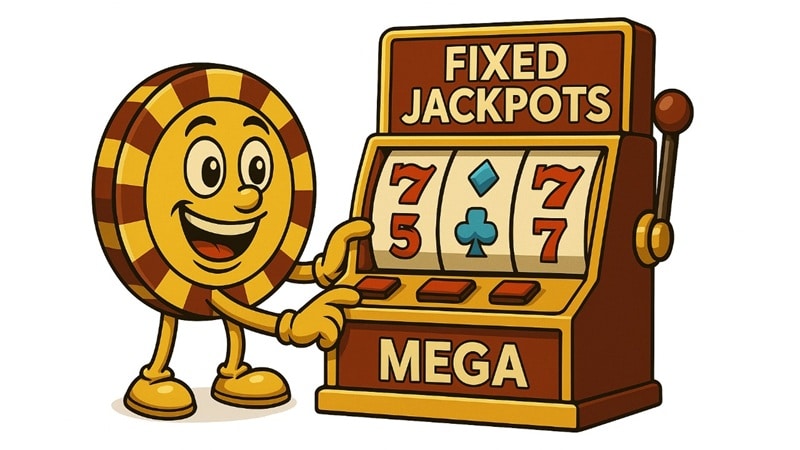
Dynamic Jackpots vs Fixed Prizes: What Changes for Players and Teams
Prize systems shape how a session feels. A growing pot builds suspense as the number rises on screen. A fixed ladder offers steady targets that are easy to plan around. Both can work when the rules are clear and the interface stays calm.
How the mechanics actually work
Fixed-prize games pay a predictable amount for each outcome – the top line on the paytable stays the same no matter when you play. That stability helps you evaluate return and set expectations. The math behind them is straightforward: the game’s random number generator and paytable determine the long-term return to player and the variability you feel over short sessions.
Dynamic jackpots, often referred to as progressive, accumulate over time as a small portion of each eligible bet contributes to a shared pot. Some progressives reset to a seed value after a win, while others include “must-hit-by” ranges or multiple tiers that drop at different levels. Either way, your session is riding two curves at once: the base game’s usual volatility and the jackpot’s occasional spikes.
Pace, perception, and what makes play feel exciting
Fixed-prize titles produce a steadier rhythm. Wins and near-misses arrive at a more even pace, so the “feel” is consistent. That can be less dramatic, yet it supports focused decisions because the top prize isn’t moving, and the hit frequency can be grasped from the rules.
Progressives change psychology. As the pot grows, anticipation intensifies – scarcity and social proof take effect, especially when the jackpot is visible across lobbies. A brief primer on common jackpot formats is summarized here, which is helpful when comparing how contributions, seed values, and tiers impact the overall experience and your bankroll management during longer sessions.
Bankroll planning that respects variance
The right plan smooths out the swings you’ll meet in both formats. Think of it as setting boundaries that protect decision-making, rather than chasing outcomes.
- Decide on a session budget and a separate stop-loss – then pre-commit to both.
- For fixed-prize games, pick bet sizes where 200-350 spins are affordable; this gives the math room to unfold.
- For progressives, consider slightly smaller stakes to offset higher variance, and avoid upping bets just because the pot looks tempting.
When each format makes sense
Choose fixed prizes when you value clarity. If you prefer to evaluate paytables, aim for consistent cycles of small to medium returns, and maintain a steady tempo, fixed games align with that style. They reward patience and measured adjustments in stake size because the top line isn’t diverting your attention.
Opt for dynamic jackpots when spectacle matters and you’re comfortable with dry spells punctuated by peaks. The draw is the shifting target – watching a pot creep upward adds drama – but it also means your results may cluster. If you enjoy longer, more immersive sessions where the big moment could land unpredictably, a progressive cadence may suit you better.
Fairness, transparency, and practical checks
Whatever you pick, the essentials are the same. Read the help pages carefully for eligibility conditions – not every spin or stake qualifies for a progressive, and some jackpots trigger only at specific bet sizes. Check whether contributions are local (one game or venue) or wide-area (shared across many), as this affects how quickly pots grow and how frequently they drop.
Look for clear information on return ranges, jackpot reset values, and any “must-hit-by” thresholds. Transparent games tell you how the pot fills, how it pays, and what happens next. Finally, consider session length and attention: if you’re short on time, fixed-prize titles offer tidy, contained play; if you’ve planned a longer, paced session and accept greater variance, a progressive can deliver that slow-burn tension without pushing you beyond your budget.
Bottom line
Fixed prizes offer stability and a measurable pace, while dynamic jackpots add spectacle to higher variance. Match the format to your temperament, the time you have, and a bankroll plan you’ll actually follow – the mechanics shape excitement, but your boundaries shape the experience.